Moncton Oil Tank Removal
Moncton, NB · Tank Removal & Disposal
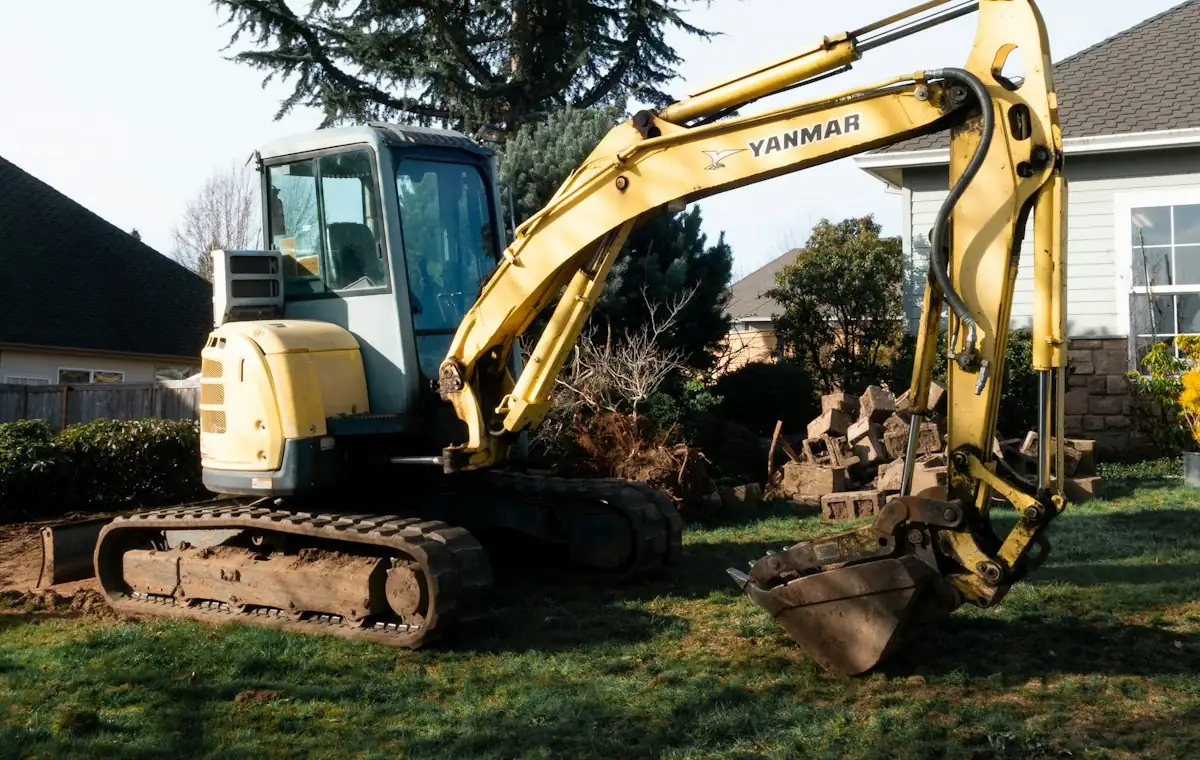
Residential yard excavation for a heating oil tank removal in Dieppe, New Brunswick
Dieppe, New Brunswick

Oil Tank Removal in Dieppe NB

Same crews, same core-area pricing, service in French or English. Above-ground tanks from $500 and buried tanks from $2,500, with soil sampling and a decommissioning letter on every job.

Oil tank removal in Dieppe, and what makes it different

Dieppe tank removal is priced identically to Moncton, $500 to $1,500 above ground and $2,500 to $5,000 buried with clean soil, because Dieppe sits inside the core service block rather than on the travel schedule. Two things genuinely differ. Dieppe has a Francophone majority, so the work is routinely handled in French, and Dieppe runs its own permit desk separate from Moncton and Riverview even though the provincial rules over the top are identical.

The third difference is in the housing stock, and it changes which job you are likely to have. Dieppe expanded hard through the 1970s and 1980s and kept growing after, which puts a large share of its homes right on the hinge between the buried-tank era and the above-ground era. The practical result is a more mixed caseload than the oldest Moncton streets produce: more basement and outdoor pad tanks, more replacement-era tanks now reaching the end of a second 20 year service life, and a real but smaller share of original buried steel on the older roads.

Dieppe is in Westmorland County, the same county as Moncton, but it issues its own building and excavation permits. A contractor who works all three municipal desks regularly is faster on this than one learning the Dieppe process on your job.

A large number of Dieppe households stopped burning oil years ago, moving to electric baseboard and more recently to heat pumps. Those conversions took the furnace out and left the tank where it was. An empty buried tank is still the thing an insurer asks about and a buyer's lawyer flags, because the question is never whether the tank leaks today, it is whether it can and whether anybody has checked the ground under it. That is the single most common Dieppe scenario: a house on electric heat since the late 1990s with steel still in the side yard.
Working in French and English

Crews serving Dieppe work bilingually, and that covers the whole chain rather than just the first phone call. The site visit, the explanation of what is about to happen to your yard, the questions that come up when the hole is open, the written quote and the final document set are all available in French or English. It is a small thing that turns out to matter a lot on a job where somebody is digging next to your foundation and quoting four figures.

Quotes and paperwork

The written quote and the decommissioning letter are issued in the language you ask for. Worth specifying up front if the letter is going to an insurer, a lender or a lawyer who works in the other language, since that is where a translation request costs time later.

On the day

Somebody on site can explain in either language what is being pumped, what is being cut and why the hole has to stay open until the samples are taken. Most homeowner anxiety on a tank job comes from not knowing what the next hour looks like.

Regulatory documents

The provincial framework, Regulation 87-97 under the Clean Environment Act, exists in both official languages, as do the Department of Environment and Local Government materials. Nothing on the compliance side is language-limited.

Which tank do you have

If you can walk up to the tank and put a hand on it, it is an above-ground tank and you are in the $500 to $1,500 band. If the only evidence is a pipe in the lawn, a plate in a walkway or a pair of dead copper lines through the basement wall, you are looking at a buried tank and the $2,500 to $5,000 band. Settling that question is the first thing a site visit does, because the price difference between the two is larger than any other variable on the job.

Dieppe's newer streets mostly have the easy version. A 900 litre vertical in a basement or a horizontal oval on an outdoor pad, pumped out, cut down if the stairwell demands it, carried out and hauled off in a morning. The fuel lines get capped at the furnace end to CSA B139 and the letter is issued. No excavation, no soil question, no permit.

The older roads are where the buried steel is, and there the job carries an excavation and a soil sample set. Local geology helps: the Petitcodiac valley profile is glacial till with marine clay lenses, dense and slow-draining, which tends to hold a leak near its source instead of letting it spread. A contained plume is a smaller dig. Full detail on that work is on the underground tank removal page.

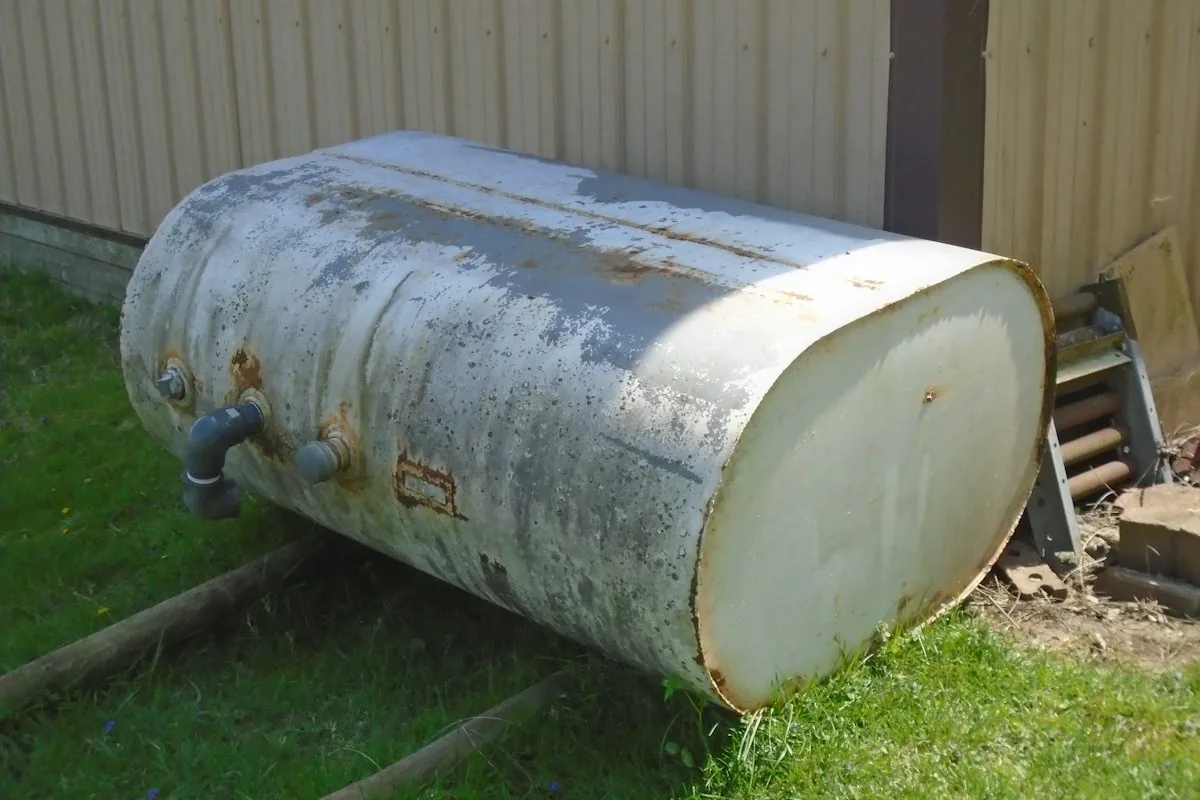
Rusted residential heating oil tank removed from a New Brunswick home and staged for scrap disposal

A pulled residential tank staged for transport. Steel goes to a scrap processor, residual oil and sludge to a licensed receiving facility, each with its own transfer record.

What you get back on a Dieppe job

Every removal closes with a decommissioning letter naming the tank, the removal date and the method used, because that document is the entire commercial point of hiring a licensed contractor rather than calling a scrap yard. It is what an insurer accepts, what a lender asks for before a closing and what a buyer's lawyer files. Alongside it come the waste transfer records for the residual oil and the scrap steel, plus laboratory results where sampling was part of the scope.

Decommissioning letter

Tank identified, date recorded, method stated. In French or English as you prefer. This is the document that closes an insurance file or a real estate condition.

Disposal records

Transfer paperwork for the oil and sludge to a licensed receiving facility, and for the tank shell to a scrap processor. Proof the material went somewhere legitimate.

Soil results

Laboratory analysis from the open excavation on buried tank jobs, showing petroleum hydrocarbon against the provincial guideline. The document a future buyer will want to see.

Dieppe oil tank questions

How much does oil tank removal cost in Dieppe?

Above-ground tank removal in Dieppe runs $500 to $1,500 and buried tank removal runs $2,500 to $5,000 where the soil comes back clean, the same Canadian dollar ranges as the rest of Greater Moncton. Dieppe is inside the core service block, so there is no travel premium on the price. What moves your number is whether the tank is buried or above ground, how a machine would reach it, and what soil sampling shows. Remediation, if it is needed, is priced against what the laboratory finds rather than quoted in advance.

Do you work in French in Dieppe?

Yes, crews serving Dieppe work in both French and English, which matters because Dieppe has a Francophone majority and most households prefer to handle a technical job in their first language. That covers the site visit, the questions on the day and the written quote. The decommissioning letter and the disposal paperwork are issued in the language you ask for, which is worth specifying up front if the document is going to an insurer or a lawyer who works in the other language.

Are there many buried oil tanks in Dieppe?

Yes, though proportionally fewer than in the oldest parts of Moncton, because a larger share of Dieppe's housing stock was built later in and after the buried-tank era. Dieppe grew substantially through the 1970s, 1980s and onward, which puts a lot of its homes right at the transition point when above-ground tanks became the default. In practice that means Dieppe sees a healthier mix of jobs: more basement and outdoor pad tanks, more replacement-era tanks reaching the end of a second service life, and a solid minority of genuine buried steel on the older streets.

Does Dieppe require its own permit for the excavation?

Dieppe handles its own building and excavation permits separately from Moncton and Riverview, so a Dieppe address goes to the Dieppe permit desk even though the provincial rules are identical. The trigger is usually dig depth, commonly around 30 centimetres, or proximity to a structure. Your contractor pulls the permit where one applies. The provincial side, Regulation 87-97 under the Clean Environment Act, is the same across all three municipalities and does not change with the address.

How soon can a Dieppe tank removal be booked?

Dieppe sits in the core Moncton service block, which means it is scheduled in the same rotation rather than as a travel job, and standard lead times apply. Above-ground removals are the easiest to fit because they need no machine. Buried tank work depends on excavator availability and on ground conditions, so a January booking can slip where a July one would not. If you are working to a closing date, say so when you request the quote rather than after it is issued.

My Dieppe home has been on electric heat for years. Is the old tank still my problem?

Yes. An abandoned tank stays a liability on the property whether or not it has held oil for twenty years, and an empty buried steel tank is the exact thing an insurer or a buyer's lawyer raises. Conversions to electric baseboard and later to heat pumps removed a great many furnaces across Dieppe without removing the tanks that fed them. The fill pipe usually got cut off at grade and forgotten. If your basement has a pair of abandoned copper lines coming through the wall at knee height, there is a good chance a tank is still out there.

Get a Dieppe tank removal quote

Tell us whether the tank is buried or above ground, roughly when the house was built, and which language you would like the paperwork in. You get a written figure in Canadian dollars, usually inside one business day.

What You Get Back
  • A written quote in Canadian dollars covering removal, cutting, cleaning, transport and disposal, with no day-of surprises.
  • A decommissioning letter naming the tank, the date and the method, which is what insurers and lenders ask for.
  • Waste transfer paperwork for the residual oil and the scrap steel, plus soil sample results if sampling was part of the job.
Get EstimateFree written quote, one business daySee Prices