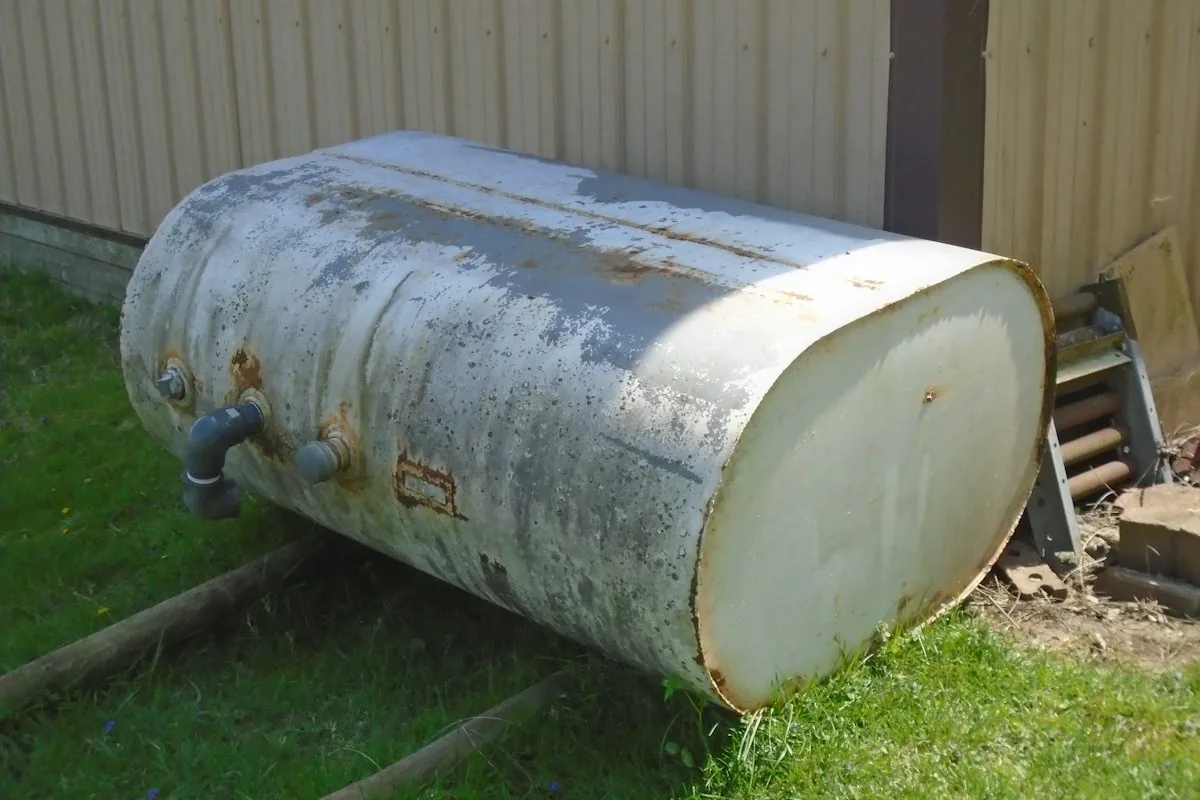
Oil to Heat Pump Conversion in Moncton NB
Ten to eighteen thousand before rebates, with the 2026 rebate position stated plainly rather than quoted from a closed programme, and the old tank removed on the same visit. An honest look at the numbers and at cold-weather performance.
What conversion costs, and how it compares to a new tank
A combined tank removal and cold-climate heat pump conversion in Moncton runs $10,000 to $18,000 before rebates, against $2,500 to $4,500 for a straight replacement tank. The rebate now available is up to $2,000 on a qualifying heat pump through New Brunswick's Total Home Energy Savings Program, which narrows that gap but does not close it. Through mid 2026 an oil-heated home could stack federal and provincial funding to as much as $15,000, and that programme closed to new provincial registrations on 30 June 2026, so the arithmetic in 2026 is less favourable than the figures still circulating online. Conversion is a bigger cheque up front and a smaller one every winter afterwards.
So the decision is honestly framed as whether you want to keep buying fuel for the next twenty years, not as which invoice is smaller today. That is the question most Moncton households are actually answering when they call, and it usually surfaces at a specific moment: the tank has failed, the insurer has asked, or the house is being reheated as part of other work. New Brunswick oil-heat penetration has fallen from roughly 55 percent of households in 2005 to about 35 percent today, and very little of that shift happened on principle. It happened at tank-replacement moments.
Doing the removal and the conversion on one visit is the efficiency that makes this work. The heating system is already being opened up and the crew is already on site, so one mobilisation replaces two and the tank stops being a separate project.
Where inside the $10,000 to $18,000 band you land comes down to four things: house size and the calculated heating load, how many indoor heads you need, whether your electrical panel has spare capacity, and whether the old tank was buried or above ground. The last one matters because a buried tank brings an excavation and a soil sampling programme with it, which is the same $2,500 to $5,000 exposure it would carry as a standalone job.
Cold-climate performance, said plainly
Cold-climate heat pumps hold useful heating capacity well below freezing, and they are proven technology in Atlantic Canada rather than an experiment. They also lose capacity as the outdoor temperature drops, which is physics rather than a defect, and the coldest stretches of a Moncton January are exactly when you least want a single point of failure. Any conversion quote that does not discuss backup heat is skipping the part that matters most locally.
What changes day to day
What to ask about
How the work runs, start to finish
A combined removal and conversion runs through six stages over two to four days, with the tank work and the heat pump work scheduled consecutively rather than weeks apart. The assessment at the front is the stage that determines whether the rest of it goes smoothly, because that is where the heating load and the electrical capacity get established rather than assumed.
Assessment and load calculation
The house is measured and assessed, the heating load is calculated, and the electrical panel is checked for spare capacity before any equipment is specified.
Equipment selection and rebate check
A cold-climate unit is specified against the calculated load, and rebate eligibility is checked against the programmes actually open on the day you commit rather than against a figure from a closed programme.
Remove and decommission the tank
The old tank is pumped out, cleaned, cut or lifted, hauled away and decommissioned, with soil sampling where the tank was buried and a decommissioning letter issued.
Decommission the oil appliance
The oil-fired appliance is shut down and disconnected, and the supply, return, fill and vent lines are capped in line with CSA B139.
Install the heat pump and electrical
Outdoor unit, indoor heads, line sets and condensate are installed, along with any electrical work or panel capacity changes the assessment identified.
Commission, document and hand over
The system is charged, tested and commissioned, the backup heat arrangement is confirmed, and the paperwork set including the decommissioning letter is issued.
The electrical panel is the usual surprise
A house that has been heated with oil since the 1970s frequently has a modest electrical service with very little spare capacity, and a panel or service upgrade is a real line item that can add meaningfully to a conversion. This is the most common reason two quotes on superficially similar Moncton houses come back hundreds or thousands apart. It is also the reason a proper assessment happens before equipment is specified rather than after.
Find it out early. A conversion quote that has not looked inside the panel is an estimate, and the revision arrives at the worst possible moment, which is after the old heating system has already been decommissioned.

The tank still has to be properly decommissioned during a conversion. An orphaned tank does not stop being a liability because the furnace has gone.
Do not leave the old tank behind
An orphaned tank is a live liability whether or not it has held oil for twenty years, and a buried one is precisely what an insurer flags at renewal and a buyer's lawyer raises at closing. Conversions across Greater Moncton have left a great many tanks in place over the last three decades, usually with the fill pipe cut off at grade and everybody involved happy to forget about it. Those tanks are now the most common removal job in the market.
Regulation 87-97 under the Clean Environment Act requires proper decommissioning rather than abandonment, and the decommissioning letter naming the tank, the date and the method is what closes the question permanently. Doing that as part of the conversion costs less than doing it later as its own project, and it means the house you have just made more efficient does not still carry an unresolved environmental item on its title.
If your conversion has already happened and the tank is still out there, that is an ordinary situation rather than an awkward one. It gets handled as a standalone removal, detailed on the Moncton oil tank removal page.
Official sources
Rebate amounts and eligibility change, so budget from the programme page rather than from a contractor summary. The two sources below are the ones that actually govern this work.
- Oil to Heat Pump Affordability Program (NRCan)
The federal program that funded oil-to-heat-pump conversions, worth up to $10,000 federally and up to $15,000 combined with New Brunswick funding. Registrations in New Brunswick closed 30 June 2026 and the final application date was 31 July 2026. Read the page for the transition arrangements if you registered before the cutoff.
- Total Home Energy Savings Program (Save Energy NB)
The provincial programme that still pays rebates on heat pumps in New Brunswick, currently up to $2,000 on mini-split, air-source, geothermal, multi-zone and furnace add-on units. This is also where homeowners who registered for the oil-to-heat-pump advance funding before 1 July 2026 complete their file, with upgrades due by 31 March 2027.
- New Brunswick Department of Environment and Local Government
The provincial authority behind Regulation 87-97, which governs how the old fuel tank must be decommissioned as part of the conversion rather than simply abandoned.
Conversion questions
Tank-side pricing is on the cost page and the wider question set is on the FAQ page.
How much does an oil to heat pump conversion cost in Moncton?
A removal plus cold-climate heat pump conversion in Moncton runs $10,000 to $18,000 before rebates, and as of late 2026 the rebate on offer is up to $2,000 on a qualifying heat pump through New Brunswick's Total Home Energy Savings Program rather than the much larger oil-to-heat-pump funding, which closed to new provincial registrations on 30 June 2026. The range covers taking the old tank out and decommissioning it, supplying and installing the heat pump, the electrical work, and commissioning. Where it lands depends on house size, how many indoor heads you need, whether your electrical panel has spare capacity, and what you decide to do about backup heat for the coldest weeks.
Is conversion cheaper than just replacing the oil tank?
No, a replacement tank at $2,500 to $4,500 is far cheaper up front than a conversion at $10,000 to $18,000, so the decision is about running costs over the next twenty years rather than about the invoice today. What has changed is the gap, and not in the direction it moved for the past few years. Through mid 2026 an oil-heated New Brunswick home could stack federal and provincial funding to as much as $15,000, which made conversion cheaper than a tank swap for a lot of households. Registrations for that closed on 30 June 2026. What remains is up to $2,000 on the heat pump, so the honest 2026 position is that conversion is again a long-run fuel-cost decision rather than a subsidy decision.
Do heat pumps actually work in a New Brunswick winter?
Cold-climate heat pumps hold useful heating capacity well below freezing and are a proven technology in Atlantic Canada, but a Moncton winter still argues for keeping a backup heat source rather than relying on the heat pump alone. Capacity falls as the outdoor temperature drops, which is a physics problem rather than a product defect, and the coldest stretches of a New Brunswick January are exactly when you want a second option. Most sensible conversions here keep electric backup or retain an existing secondary system.
Does the old oil tank have to come out during a conversion?
Not strictly, but leaving it is a false economy and in the case of a buried tank it is a live liability that an insurer or a future buyer will raise. An orphaned tank does not stop being a tank because the furnace has gone. The efficient move is to do the removal on the same visit as the conversion, since the heating system is already being opened up and the crew is already on site, and one mobilisation costs less than two. That is the main reason removals and conversions get booked together.
What rebates are actually available in 2026?
Up to $2,000 on a qualifying heat pump through New Brunswick's Total Home Energy Savings Program, administered by NB Power rather than by the contractor. The large oil-to-heat-pump funding that stacked federal and provincial money to as much as $15,000 stopped accepting new New Brunswick registrations on 30 June 2026, with 31 July 2026 the final federal application date, so any page still quoting $10,000 or $15,000 as available is out of date. Households that registered before the cutoff generally have until 31 March 2027 to complete the work. Keep every invoice and model number, read the programme page directly before you budget, and treat any contractor who promises an approval as a warning sign, because the contractor does not decide the claim.
Will my electrical panel handle a heat pump?
Often yes on newer homes and frequently no on older Moncton housing, and the panel check is part of the assessment rather than an afterthought. A house that has been on oil heat since the 1970s may still have a modest service with little spare capacity, and a panel or service upgrade is a real line item that can add meaningfully to the project. Finding that out before you commit is the point of the site visit, and it is one of the main reasons two conversion quotes on similar houses can differ.
How long does a conversion plus removal take?
Plan on two to four days for a combined tank removal and heat pump conversion, longer if a buried tank turns up contaminated soil or if electrical work needs an upgrade. The tank side is a half day for an above-ground tank or a full day for a clean buried one. The heat pump side is typically one to two days for supply, install, electrical and commissioning. Scheduling them consecutively rather than weeks apart is what keeps the mobilisation cost down.
Why are so many New Brunswick homes leaving oil heat?
New Brunswick oil-heat penetration has fallen from roughly 55 percent of households in 2005 to about 35 percent today, driven by fuel cost volatility, ageing tanks reaching the end of their service life, insurer pressure on buried tanks, and federal rebates aimed specifically at oil-heated homes. Very few households convert on principle. Most convert at the moment a tank fails or an insurer asks a difficult question, because that is when the two options get priced side by side and the gap turns out to be smaller than expected.
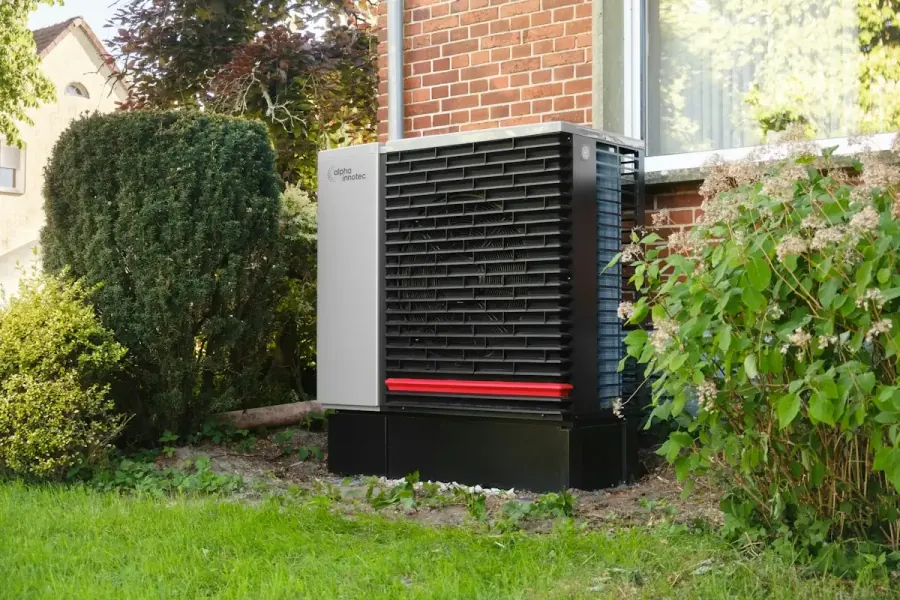
Price a conversion with the tank removal included
Tell us the size of the house, what the current oil system is, whether the tank is buried or above ground, and roughly how old the electrical panel is. You get a written figure in Canadian dollars with the tank work and the rebate position both spelled out.
- A written quote in Canadian dollars covering removal, cutting, cleaning, transport and disposal, with no day-of surprises.
- A decommissioning letter naming the tank, the date and the method, which is what insurers and lenders ask for.
- Waste transfer paperwork for the residual oil and the scrap steel, plus soil sample results if sampling was part of the job.