Moncton Oil Tank Removal
Moncton, NB · Tank Removal & Disposal
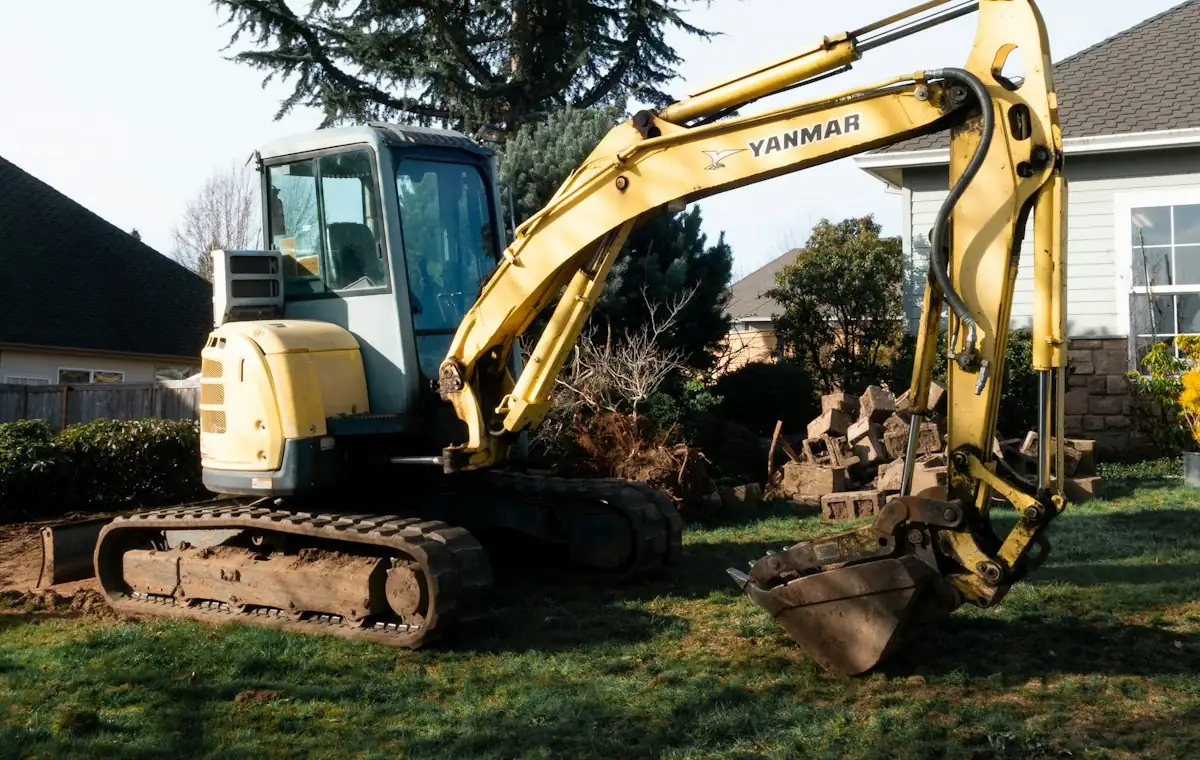
Mini excavator working beside a house on a residential lot in Riverview, New Brunswick during an oil tank removal
Riverview, Albert County

Oil Tank Removal in Riverview NB

South of the Petitcodiac, inside Albert County, and still core-area pricing. Above-ground tanks from $500, buried tanks from $2,500, with soil sampling and a decommissioning letter on every job.

Riverview is in a different county, not a different job

Riverview tank removal is priced the same as Moncton, $500 to $1,500 above ground and $2,500 to $5,000 buried with clean soil, because Riverview is core-area work despite sitting across the river. The one administrative difference worth knowing is that Riverview is in Albert County, not Westmorland County, and it runs its own municipal permit desk. The provincial framework over the top is identical: Regulation 87-97 under the Clean Environment Act applies the same way on both banks.

That county distinction is not a technicality people should shrug at. It shows up on paperwork, it determines which permit office handles an excavation approval, and it occasionally trips contractors who work mostly on the Moncton side and assume one process covers the whole metro. A crew that runs all three municipal desks routinely gets the approval faster, which on a job with a closing date attached is the difference between booking this month and next.

Riverview sits in Albert County while Moncton and Dieppe are in Westmorland County. Same provincial rules, different municipal permit desk, and a different county name on the documents.

Riverview grew as a residential community facing Moncton across the Petitcodiac, and much of that growth landed squarely in the buried-tank era from the mid 1950s to the late 1980s. Lot sizes on the older streets were generous enough that burying a steel tank in the yard was the obvious choice rather than a compromise, so the buried share here is meaningfully higher than on tighter urban lots. Newer subdivisions have above-ground tanks or never had oil heat at all.

Why sampling matters more on the lower ground

Soil sampling is the stage to protect on any buried tank job, and it carries extra weight on the lower-lying Riverview properties nearer the river, because a shallower water table gives a leak somewhere to travel. The samples come from the floor of the excavation directly under where the tank sat plus the side walls, and they go for petroleum hydrocarbon analysis against the provincial guideline of roughly 200 milligrams per kilogram.

The local geology is on your side. Greater Moncton and the Petitcodiac valley run to glacial till with marine clay lenses, which is dense and slow-draining compared with free-draining sand. A leak into that profile tends to stay concentrated near its source instead of spreading laterally, so the excavation needed to chase it is smaller. It is the reason most Riverview remediation jobs land in the $5,000 to $15,000 band rather than above it.

What you cannot do is sample after the fact. Once the hole is backfilled the only way to establish what was underneath the tank is to dig it out again, which is why the sequence puts sampling before backfill and why a quote that omits the laboratory line is a quote missing a stage. The full underground sequence is set out on the underground tank removal page.

Soil from an open oil tank excavation being prepared for petroleum hydrocarbon laboratory analysis

Sampling happens while the excavation is open. Once the hole is closed the opportunity is gone until somebody digs it a second time.

The three Riverview jobs we see most

Nearly every Riverview enquiry falls into one of three shapes: a sale in progress, an orphaned tank left behind by a heating conversion, or an ageing tank on a house the owner intends to keep. Identifying which one you are in sets the deadline and tells you which document at the end of the job is the one you actually need.

A sale is in progress

The buyer's lawyer has asked about a buried tank, or a lender wants a compliance record before closing. Removal plus the decommissioning letter is faster and cheaper than negotiating a holdback, and the letter travels with the property afterwards.

The heating system already changed

The house went to electric baseboard or a heat pump years ago and the tank stayed in the yard with the fill pipe cut off at grade. An empty tank is still a liability, and an insurer asks about it at the next renewal or carrier change.

The tank is simply past its date

Steel lasts 15 to 20 years and buried steel from the 1970s or 1980s is well beyond that. Corrosion runs from the inside out, so external condition tells you almost nothing. A tank with no legible date plate should be treated as expired.

Rural Albert County beyond Riverview

Riverview is core-area and scheduled in the same rotation as Moncton and Dieppe. Rural Albert County addresses further out are served on a scheduled basis instead, with travel quoted as a visible separate line rather than folded into the tank price. Work in that direction gets batched with other jobs on the same run to keep the travel figure down, which means flexibility on your date is worth money. If you are out toward Hillsborough or the coastal side of the county, book earlier than you would for an in-town job.

What closes out a Riverview removal

Every job ends with a decommissioning letter naming the tank, the removal date and the method, because that single document is what an insurer accepts, what a lender asks for and what a buyer's lawyer files. Without it the tank is gone and unprovable, which is a worse position than a documented tank still in the ground. Waste transfer records for the residual oil and the scrap steel come with it, plus laboratory results on any job that involved sampling.

On a clean buried job in Riverview that whole set lands within a few days of the dig, the delay being laboratory turnaround rather than paperwork. On a remediation the file stays open until confirmation samples read below the guideline, so the documents arrive at the end of the process rather than the end of the site work. Either way, ask for the letter in writing before you pay the final invoice.

Riverview oil tank questions

How much does oil tank removal cost in Riverview?

Above-ground removal in Riverview runs $500 to $1,500 and buried tank removal runs $2,500 to $5,000 with clean soil, the same Canadian dollar bands as Moncton and Dieppe. Riverview is part of the core service block despite being across the river and in a different county, so there is no travel surcharge. Access to the tank, depth, tank size and soil condition set your actual number. Remediation, where samples come back above the provincial guideline, is priced against what is found rather than quoted in advance.

Does being in Albert County change anything for a Riverview tank removal?

The provincial framework is identical, Regulation 87-97 under the Clean Environment Act applies the same way, but Riverview sits in Albert County rather than Westmorland County and administers its own municipal permits. That matters for the permit desk your contractor deals with and for anything that references the county on a document. Where an excavation permit is required, usually because the dig goes deeper than roughly 30 centimetres or approaches a structure, it comes from Riverview rather than from Moncton.

Are Riverview properties more likely to have buried tanks?

Riverview's older streets carry a solid share of original buried steel, because the community grew substantially through the buried-tank era of the mid 1950s to late 1980s. The town developed as a residential community across the river from Moncton, and much of that growth predates the shift to above-ground tanks. Larger lots on the outer streets also meant a buried tank was easy to site, so it was the default choice more often than on tighter urban lots. Newer subdivisions have above-ground tanks or no tank at all.

Does the river location affect contamination risk?

Proximity to the Petitcodiac River does not change the removal process, but it does make soil sampling matter more, because a shallower water table gives a leak somewhere to go. Ground across the Greater Moncton area is largely glacial till with marine clay lenses, which is dense and slow-draining and tends to hold a plume near its source. On lower-lying Riverview properties nearer the river, the sampling set is the part of the job to make sure nobody skips, since it is the only opportunity to establish what the ground condition actually was.

Can you reach rural Albert County addresses outside Riverview?

Yes, rural Albert County is served on a scheduled basis rather than in the same-week core rotation, so lead times are longer and travel is quoted transparently as a separate line. Riverview itself is core-area. For properties out toward Hillsborough, Riverside-Albert and the coastal side of the county, the practical advice is to book earlier and to be flexible on the date, because the work gets batched with other jobs in the same direction to keep travel costs off your invoice.

The house sold once already and nobody mentioned a tank. Am I liable now?

If a buried tank is on the property today, it is the current owner's problem regardless of what was or was not disclosed at a previous sale. That is the uncomfortable answer and it is why the decommissioning letter matters so much: it is transferable proof that travels with the property. Sellers who deal with the tank before listing consistently do better than sellers who deal with it during a conditional period, because the same work under a deadline costs more and earns less price credit.

Get a Riverview tank removal quote

Tell us whether the tank is buried or above ground, roughly when the house was built, and how a machine would reach the yard. You get a written figure in Canadian dollars, usually inside one business day, with the Albert County permit handled for you.

What You Get Back
  • A written quote in Canadian dollars covering removal, cutting, cleaning, transport and disposal, with no day-of surprises.
  • A decommissioning letter naming the tank, the date and the method, which is what insurers and lenders ask for.
  • Waste transfer paperwork for the residual oil and the scrap steel, plus soil sample results if sampling was part of the job.
Get EstimateFree written quote, one business daySee Prices