Oil Tank Removal in Shediac NB
Twenty-five kilometres northeast of Moncton, on the scheduled coastal run. Year-round homes, cottages and seasonal properties, with travel quoted as a visible line rather than hidden in the tank price.
Shediac tank removal, and what the coast does differently
Shediac removals are priced on the same Canadian dollar bands as Moncton, $500 to $1,500 above ground and $2,500 to $5,000 buried with clean soil, plus a visible travel line for the 25 kilometre run northeast. Two things make the Shediac caseload distinct from the city: a large share of seasonal and cottage properties, and a coastal environment that is harder on steel than inland Westmorland County is.
The seasonal factor is the one most owners have not thought about. A tank that sits partly full for nine months of the year corrodes faster than a tank in continuous use, because every temperature swing condenses moisture on the inside wall, that water runs down and settles under the oil, and the steel rusts from the inside outward where nobody can see it. A cottage tank and a year-round tank of the same vintage are not in the same condition. The cottage one is usually worse.
Salt air and high humidity along the Northumberland Strait shore accelerate external corrosion on outdoor pad tanks. Treat the standard 15 to 20 year steel service life as an outside limit here rather than an average.
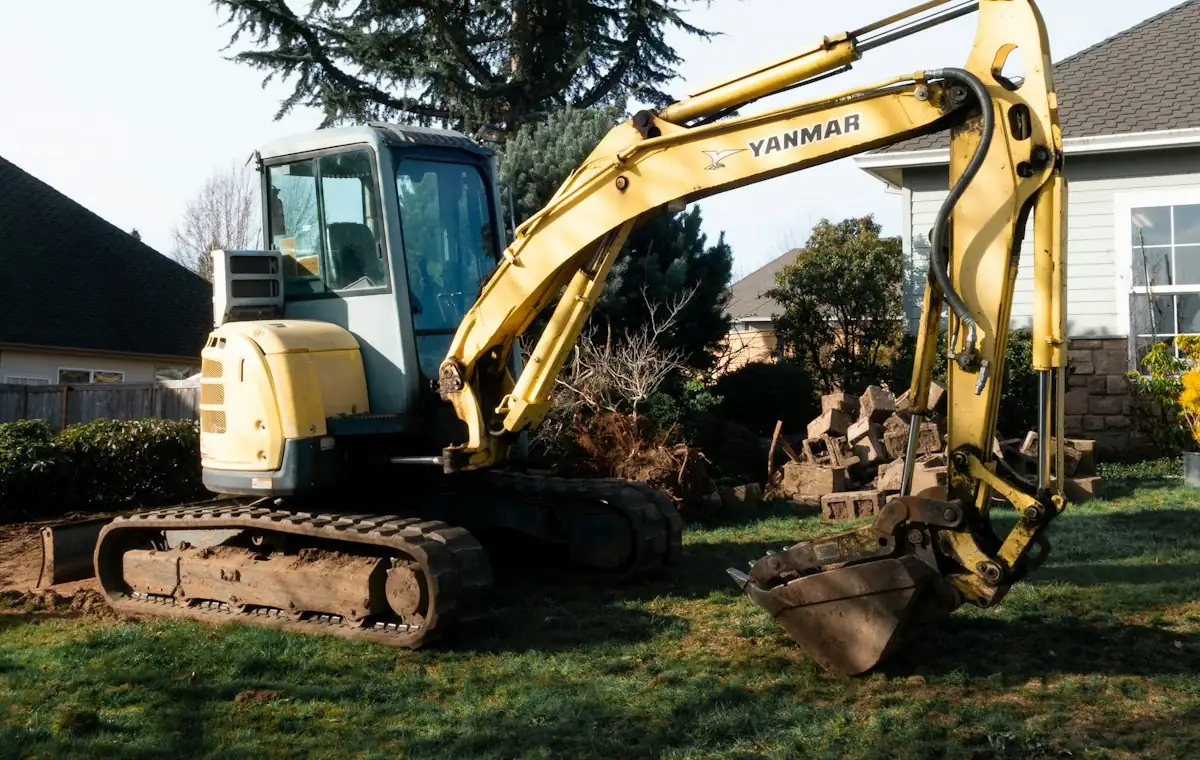
Buried tanks exist through the older parts of Shediac and along the shore roads, and they are the same job they are anywhere in Greater Moncton: locate, expose, pump out, clean, cut, lift, sample, backfill, document. The local variation is ground condition. Low-lying coastal ground can stay saturated well into spring, and a hole in saturated ground wants to slump, which is a scheduling consideration rather than a price one. The full sequence is set out on the underground tank removal page.
Cottage and seasonal property tanks
Seasonal properties bring three complications that year-round homes do not: worse internal tank condition, awkward access, and nobody on site when the crew arrives. All three are manageable, and all three are cheaper to sort out before the booking than on the morning of the job.
Access
Nobody on site
If the cottage is being sold
Deal with the tank before listing rather than during a conditional period, because the same work under a deadline costs more and earns less price credit. Seasonal properties get sold to buyers who are frequently doing the transaction remotely, with lawyers who are more cautious rather than less, and a buried tank of unknown age is exactly the kind of item that sits unresolved and holds up a closing. A decommissioning letter naming the tank, the date and the method closes it.
Scheduling on the coastal run
Shediac is scheduled rather than same-week, which means booking earlier and being flexible on the date both work in your favour. Jobs in the same direction get batched onto one run, and that batching is what keeps the travel line small on your invoice. A homeowner who can take any day in a given fortnight gets a better number than one who needs a specific Tuesday.
Season matters more here than in town. May through October is the window that produces the cleanest work and the best yard restoration. Winter brings frozen ground, snow clearing and short daylight, and coastal spring brings saturated low ground that makes an excavation harder to hold open. If your trigger is an insurance renewal rather than a closing date, there is usually room to pick the right month.
Above-ground removals are the easiest thing to fit into a schedule because they need no machine at all. If the tank is in a basement, a crawl space or on an outdoor pad, the job is a two to four hour visit with hand tools, a pump and a transport vehicle, and it can slot into a run far more easily than an excavation can.

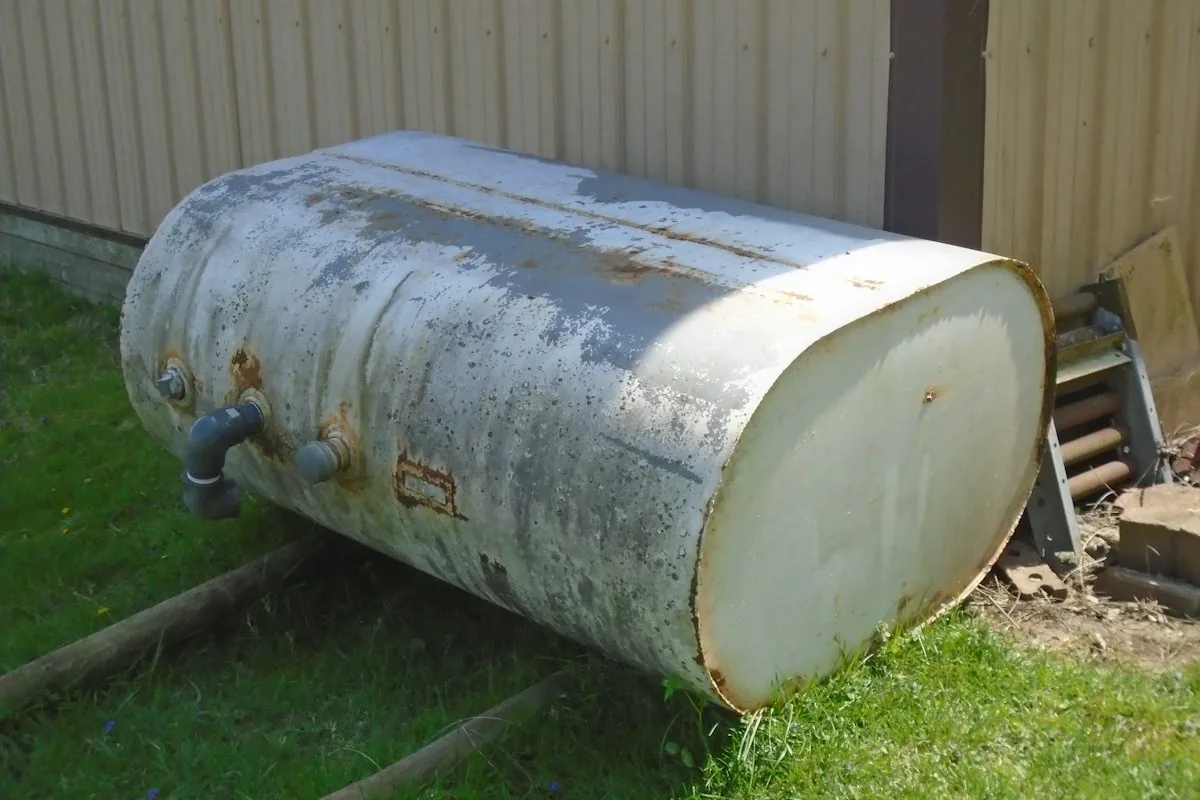
A pulled tank showing typical external corrosion. On coastal properties the outside deteriorates noticeably faster, though internal rusting still does most of the damage.
The same paperwork, wherever the property is
A Shediac removal closes with the same document set as a Moncton one: a decommissioning letter naming the tank, the date and the method, waste transfer records for the residual oil and the scrap steel, and laboratory results where soil sampling formed part of the scope. The provincial framework does not change with distance from the city. Regulation 87-97 under the Clean Environment Act applies in Shediac exactly as it does downtown, and self-performed removal is unlawful either way.
The document set is the reason to use a licensed contractor rather than a local handyman with a truck. A tank cut up and taken to a scrap yard informally leaves nothing an insurer will accept and nothing a lawyer will file, and on a buried tank it also destroys the one chance to sample the soil underneath. For a seasonal property that will eventually be sold, that missing paperwork lands on somebody later, usually at the worst possible moment.
Shediac oil tank questions
How much does oil tank removal cost in Shediac?
Above-ground removal in Shediac runs $500 to $1,500 and buried removal runs $2,500 to $5,000 with clean soil, with travel quoted as a visible separate line because Shediac sits about 25 kilometres northeast of Moncton. That travel figure is modest and it gets smaller when the job is batched with others on the same coastal run, which is why flexibility on your date is worth money here. Soil remediation, where samples exceed the provincial guideline, is priced against what the laboratory finds.
Do you handle cottage and seasonal property tanks?
Yes, and seasonal properties are a meaningful share of Shediac work, because a tank that sits half full through nine months of the year is a tank that corrodes faster than one in constant use. Condensation forms on the inside wall of a partly filled tank every time the temperature swings, water settles to the bottom, and steel rusts from the inside out. A cottage tank of the same age as a year-round one is usually in worse condition. Access is the other seasonal wrinkle, since some shore properties have driveways a mini excavator cannot use.
Does the coastal location make corrosion worse?
Yes, salt air and high humidity along the Northumberland Strait shore accelerate external corrosion on above-ground tanks and on the exposed fittings of buried ones. The bigger driver is still internal: condensation and standing water in the tank bottom do most of the damage on any New Brunswick tank. But on the coast the external half is real, and an outdoor pad tank in Shediac genuinely does not last as long as the same tank in an inland basement. Treat the 15 to 20 year steel service life as an outside figure rather than an average here.
How long is the wait for a Shediac booking?
Shediac is on the scheduled coastal run rather than in the same-week core rotation, so expect a longer lead time than a Moncton address and plan accordingly if a closing date is involved. Above-ground removals are easier to slot because they need no excavator. Buried tank work has to line up with machine availability and with ground conditions, which matters more on the coast where spring can leave low ground saturated for weeks. Booking outside the winter months gets you a better job and a better yard restoration.
What if the cottage tank has been empty for years?
An empty tank still needs proper decommissioning, because empty means no liquid oil rather than no residue, and the sludge layer and vapour in the bottom are what make cutting it dangerous. It also still counts as a storage tank for insurance and for a sale. Long-empty tanks are often in the worst condition of any tank we pull, since nothing corrodes steel faster than a decade of alternating damp air and dry air against a bare interior wall. They come out the same way, with the same paperwork at the end.
Can you remove a tank while the property is unoccupied?
Yes, and unoccupied removals are routine on seasonal Shediac properties, provided somebody can grant access and confirm where the tank is. What we need agreed in advance is the access route, whether any gate or barrier has to be opened, and who signs off on surface restoration if the yard needs rebuilding. Photographs before and after get taken as standard on unattended jobs so there is no dispute about the state of the ground. The document set goes to whichever address you nominate.
Get a Shediac tank removal quote
Tell us whether the property is year-round or seasonal, whether the tank is buried or above ground, and how a vehicle reaches the site. You get a written figure in Canadian dollars with the travel line shown separately.
- A written quote in Canadian dollars covering removal, cutting, cleaning, transport and disposal, with no day-of surprises.
- A decommissioning letter naming the tank, the date and the method, which is what insurers and lenders ask for.
- Waste transfer paperwork for the residual oil and the scrap steel, plus soil sample results if sampling was part of the job.