Oil Tank Removal in Fredericton NB
Roughly 180 kilometres west of Moncton, booked as a scheduled job with travel quoted as its own line. Same provincial rules, same document set, same Canadian dollar bands on the tank work itself.
Fredericton removals are scheduled work, and priced honestly
Fredericton tank removal costs the same as a Moncton one on the tank work, $500 to $1,500 above ground and $2,500 to $5,000 buried with clean soil, plus a travel line for the 180 kilometre run west. The travel figure is shown as its own item on the quote rather than buried inside the tank price, because at that distance you deserve to see what the distance costs and to weigh it against local options on the same basis.
The straight answer on when this makes sense: it works well for a buried tank, a combined removal and replacement, or a job where the scope is complicated enough that experience matters more than proximity. It works less well for a simple above-ground basement tank, where a travel line becomes a large share of a small invoice. Anybody who tells you distance is free is padding the tank price to cover it, which is worse than showing you the number.
Nothing changes on the compliance side at distance. Regulation 87-97 under the Clean Environment Act applies province-wide, CSA B139 governs the fuel-side work, and the decommissioning letter you receive is the same document a Moncton job produces.
What does change is the municipal layer. Fredericton runs its own building and excavation permit desk, and where a permit is required, usually triggered by dig depth or proximity to a structure, it comes from the city rather than from anywhere in Westmorland County. That is an administrative step rather than a complication, and it is handled as part of the job.
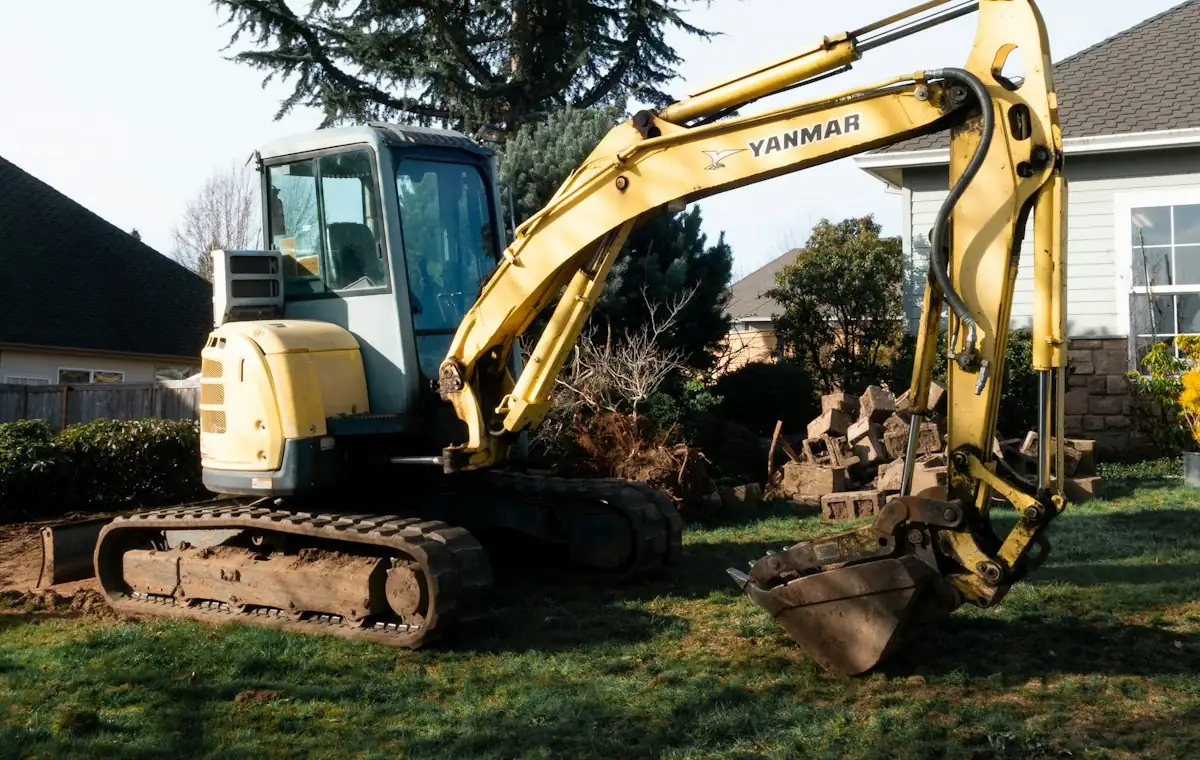
Saint John River valley soil is not Petitcodiac valley soil
Ground conditions around Fredericton can let a leak travel further than Greater Moncton ground does, which changes the sampling and remediation picture rather than the removal method. Greater Moncton and the Petitcodiac valley run heavily to glacial till with marine clay lenses, dense and slow-draining, and that density tends to keep a petroleum plume concentrated near its source. Smaller plume, smaller dig.
The Saint John River valley includes more river-deposited sand and gravel in places, and free-draining material gives a leak room to move before anything slows it. Where a Fredericton property sits on that kind of profile, the sampling set can need to be wider and a remediation scope can come back larger than the equivalent Moncton job would produce. It is not a reason for alarm, it is a reason not to assume the numbers from a friend's job in Moncton transfer directly.
The removal sequence itself is unchanged: locate, expose, pump out, clean, cut, lift, sample, backfill, document. Samples still come from the floor and walls of the open excavation, and the reportable petroleum hydrocarbon threshold of roughly 200 milligrams per kilogram is the same province-wide. Full detail is on the underground tank removal page.

Sampling from the open hole. Where soil is more free-draining, the sample set often has to be wider to establish how far a leak has travelled.
How a distance job is organised
Fredericton work is booked rather than slotted into the same-week rotation, and batched with other jobs on the same run wherever possible, because batching is what keeps the travel line small. Three things make a distance job go smoothly, and all three are decided before anybody leaves Moncton.
Flexibility on the date
Everything needed in one visit
What the quote will show
A Fredericton quote shows the tank work, the disposal and documentation, the sampling and laboratory line where a buried tank is involved, any surface reinstatement, and the travel as a separate visible item. If two quotes on the same tank differ by more than about 30 percent, the difference is almost always scope rather than margin, and the usual omissions are sampling, laboratory analysis, backfill material, surface restoration and the decommissioning letter itself. Full cost detail is on the New Brunswick cost page.
The document set does not change with the postal code
A Fredericton removal ends with the same paperwork a Moncton one does: a decommissioning letter naming the tank, the removal date and the method, waste transfer records for the residual oil and the scrap steel, and laboratory results where sampling was in scope. That set is what an insurer accepts, what a lender asks for before a closing and what a buyer's lawyer files, and none of it is region-specific.
Self-performed removal is unlawful in New Brunswick under Regulation 87-97 regardless of how far you are from a city, and the practical objections are identical: an apparently empty tank holds vapour and sludge, the residue is regulated waste with a disposal route, and the decommissioning letter cannot be self-issued. A tank scrapped informally is gone and unprovable, which is a worse position on a title than a documented tank that is still in the ground.
Fredericton oil tank questions
How much does oil tank removal cost in Fredericton?
Above-ground removal in Fredericton runs $500 to $1,500 and buried removal runs $2,500 to $5,000 with clean soil, with a travel line added because Fredericton is roughly 180 kilometres west of Moncton. The tank work itself is priced identically, since the process, the disposal routes and the provincial requirements do not change with the address. Travel is quoted openly as its own item rather than folded into the tank price, so you can see exactly what the distance is costing and decide accordingly.
Is it worth booking a Moncton crew for a Fredericton job?
It is worth it when the job is a buried tank or a combined removal and replacement, and less worth it for a simple above-ground tank where the travel line becomes a large share of a small invoice. Be straightforward about that. On a $3,500 buried tank job a travel figure is a small percentage. On a $700 basement tank removal it is not. Get a written quote with the travel shown separately and compare it against local options on the same basis.
Do Fredericton jobs follow different rules?
No, the provincial framework is identical province-wide. Regulation 87-97 under the Clean Environment Act governs petroleum storage tank removal and decommissioning in Fredericton exactly as it does in Moncton, CSA B139 covers the fuel-side work, and the reportable petroleum hydrocarbon threshold is the same. What changes is the municipal permit desk, since Fredericton administers its own building and excavation permits. The paperwork you receive at the end is the same document set regardless of where in New Brunswick the tank was.
Are Fredericton soil conditions different from Moncton?
Yes, and it matters for how a leak behaves. The Greater Moncton and Petitcodiac valley profile is glacial till with marine clay lenses, dense and slow-draining, which tends to hold a plume near its source. Ground in the Saint John River valley around Fredericton includes more river-deposited sand and gravel in places, and free-draining material lets a leak travel further before anything stops it. Where that is the case, the sampling set and any remediation scope can be larger than an equivalent Moncton job.
How far ahead should a Fredericton removal be booked?
Book further ahead than you would for a Moncton address, because Fredericton work is scheduled on a booked basis rather than in the same-week rotation and is batched with other jobs on the same run where possible. That batching is what keeps the travel line down. If you are working to a closing date, say so at the quote stage rather than after, because a date-driven job sometimes cannot be batched and the travel figure reflects that.
Can you handle a Fredericton tank where contamination is already known?
Yes, though a known contamination case is scoped differently from a straight removal and the site visit matters more, not less, at distance. Where a previous assessment exists, send it with your enquiry. Where a leak is suspected but unconfirmed, the honest answer is that the scope cannot be fixed until the excavation is open and the samples are back, which is true anywhere in the province. Remediation work moves into the $5,000 to $15,000 band and is priced against findings.
Get a Fredericton tank removal quote
Send the tank type, the age of the house and a photo or two of the yard and the access route. You get a written figure in Canadian dollars with the travel line shown separately, so you can compare it fairly against a local quote.
- A written quote in Canadian dollars covering removal, cutting, cleaning, transport and disposal, with no day-of surprises.
- A decommissioning letter naming the tank, the date and the method, which is what insurers and lenders ask for.
- Waste transfer paperwork for the residual oil and the scrap steel, plus soil sample results if sampling was part of the job.